

• Silvercrest Yard, Wollaston Way, Basildon, Essex, SS13 1EL
  • MONDAY – FRIDAY From 8:30 am – 5:15 pm
  • [email protected]

Our Gallery

Contact Us

HQ:
Silvercrest House
Unit 2, Howard Chase.
Winstanley Comm Estate
Basildon, SS14 3BE.

Main works:
Silvercrest Yard. Wollaston Way, Basildon, SS13 1EL.
(Please note we do not accept mail at this facility)

Read More
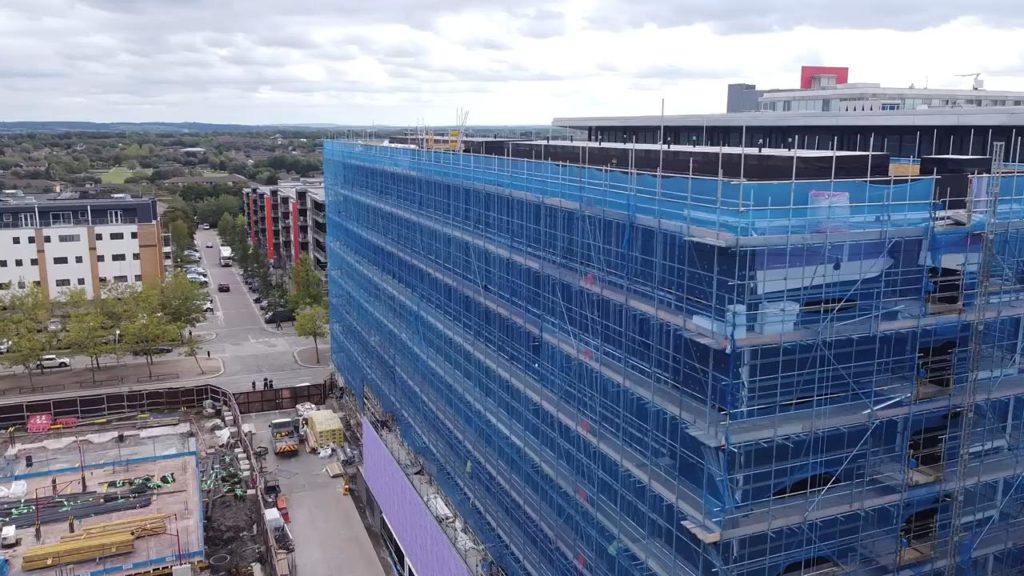
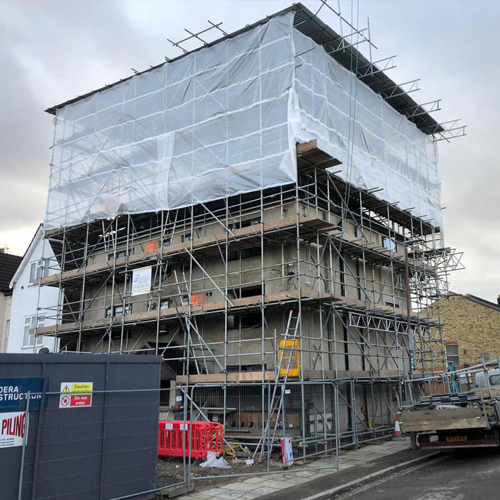
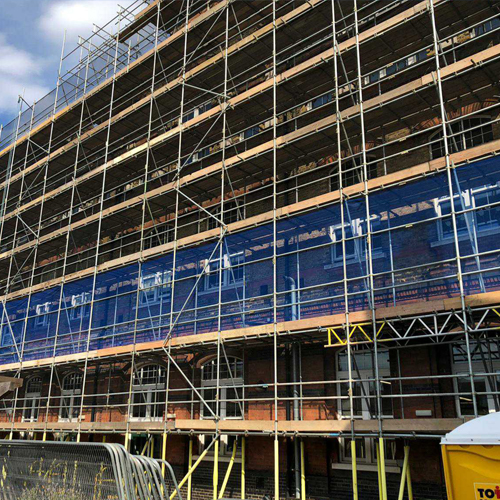
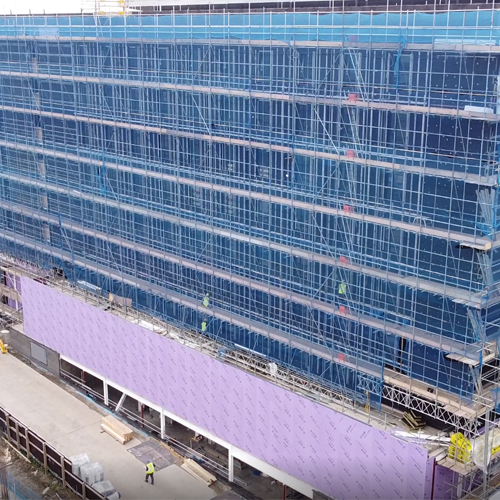
Extensive scaffolding providing platforms for work in progress on a new apartment block,Tall building under construction with scaffolds,Construction Site of New Building

How Much Weight Can Scaffolding Hold? ⚖ïļ

Scaffolding is an essential part of construction, maintenance, and renovation projects, providing a stable platform for workers to operate at height. However, one of the most critical aspects of scaffolding safety is its load capacity – the maximum weight it can support without risk of collapse. Overloading scaffolding can lead to serious accidents, making it vital for construction professionals, site managers, and property owners to understand weight limits and how they are determined.

At Silvercrest Scaffolding, we prioritise safety above all else, ensuring that every scaffold structure we erect meets strict safety regulations and industry standards. In this guide, we’ll explore the factors that determine scaffolding load capacity, the different classifications of weight limits, and best practices to ensure scaffolding remains safe and stable throughout a project.

What Determines Scaffolding Load Capacity?

 Scaffolding is designed to support both workers and materials, but its ability to bear weight depends on various factors. The design and structure of the scaffolding play a key role, with different systems offering varying levels of strength. Traditional tube-and-fitting scaffolding, for example, allows for custom configurations that can be adjusted to support heavier loads. In contrast, system scaffolding, such as Kwikstage or Cuplock, offers a more rigid, modular setup with pre-determined weight limits.

The materials used in scaffolding construction also significantly impact its load-bearing capacity. High-quality steel or aluminium components provide superior strength, while wooden scaffold boards must be carefully inspected to ensure they meet industry standards. The stability of the scaffold’s foundation is another crucial factor. If scaffolding is erected on uneven or weak ground, its ability to support weight is compromised, increasing the risk of collapse.

Bracing and tying the scaffold structure to a building further enhances its strength and weight capacity. Properly positioned braces help distribute weight evenly, while secure ties prevent excessive movement or instability. The spacing of vertical supports, known as standards, also affects load capacity. Closer spacing increases the scaffold’s ability to bear weight, whereas wider spacing reduces overall strength.

Understanding Scaffolding Load Classifications

 Scaffolding in the UK is classified based on its intended use and weight-bearing capacity. These classifications help determine the type of scaffold required for different projects.

Light-duty scaffolding is typically used for domestic scaffolding projects such as painting, inspections, and minor repairs. This type of scaffolding can support a single worker with minimal tools and materials.

Medium-duty scaffolding is suitable for general construction work, including bricklaying, commercial work and electrical installations. It can accommodate multiple workers and moderate amounts of materials. This classification is commonly used in both domestic and commercial projects.

Heavy-duty scaffolding is designed for major construction and industrial work, supporting structural repairs, heavy masonry work, and projects that require the storage of large quantities of materials on the scaffold itself.

Special-duty scaffolding must be specifically designed to meet the needs of high-load projects, such as stone masonry, demolition work, or high-rise construction. Special-duty scaffolding requires structural engineering approval to ensure its safety and stability.

How to Ensure Scaffolding is Used Safely

 Ensuring that scaffolding is not overloaded is a fundamental aspect of site safety. Before starting work, calculate the total weight to be placed on the structure, including workers, tools, and building materials. If the estimated load exceeds the scaffold’s rated capacity, adjustments must be made, such as reinforcing the structure or reducing the applied load.

Regular inspections are essential to maintaining scaffolding safety. Wear and tear, weather conditions, and prolonged use can weaken scaffolding components, reducing their ability to support heavy loads. Loose fittings, damaged boards, or excessive bending in support structures should be addressed immediately to prevent potential hazards.

Another key aspect of scaffolding safety is the even distribution of weight. Materials and equipment should be distributed across the platform rather than concentrated in a single area, which could cause an imbalance and a potential structural failure. Additionally, all workers using the scaffold should be adequately trained in load capacity limits and best practices to avoid accidental overloading.

Finally, working with experienced scaffolding professionals ensures that all structures are erected, maintained, and dismantled in accordance with British safety standards. At Silvercrest Scaffolding, our team is fully CITB-trained, and our materials conform to regulations, guaranteeing that every scaffold we provide is built to the highest safety standards.

Make the Right Decision: Contact Silvercrest Scaffolding!
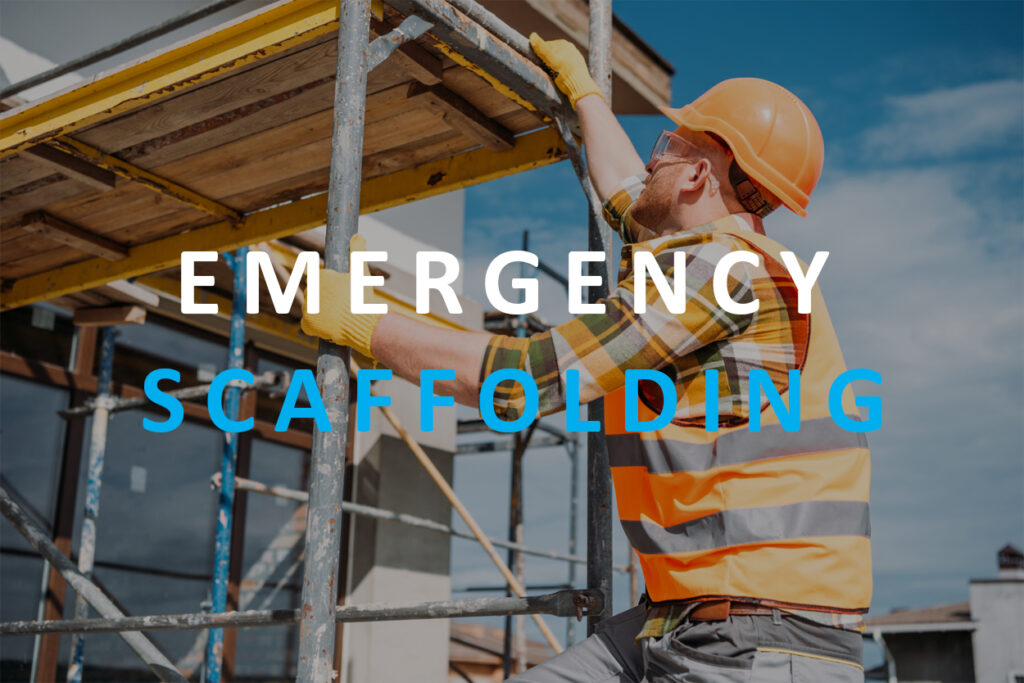
Our team is on hand to provide immediate assistance, ensuring your site remains safe, accessible, and fully compliant.

Our rapid response service ensures that we can mobilise quickly to handle urgent situations, whether it’s an unexpected structural issue, emergency repairs, or access for inspection work. We have a highly skilled team, fully trained in the latest scaffolding techniques, and we provide tailored solutions to suit each project’s unique needs.

When time is critical, trust Silvercrest Scaffolding to deliver rapid, professional, and safe scaffolding solutions.

Got a project in the pipeline?

To discuss your upcoming projects please do get in touch

Office Tel: 01702 555 999

Website: www.silvercrestscaffolding.co.uk

Office Email: [email protected]

Technical/tenders: [email protected]
Read More
Extensive scaffolding providing platforms for work in progress on a new apartment block,Tall building under construction with scaffolds,Construction Site of New Building

What is Emergency Scaffolding and When is it Needed? ðŸĶš

Emergency scaffolding refers to the immediate installation of scaffolding to address urgent safety concerns or provide necessary access for repairs and inspections. Unlike planned scaffolding projects, which involve detailed preparation and scheduling, emergency scaffolding requires fast action to prevent further issues.

Some of the most common reasons for emergency scaffolding include:

Severe weather damage – Storms, high winds, and heavy rain can weaken buildings, causing roofs to collapse or brickwork to deteriorate. Scaffolding provides essential access for urgent repairs and stabilisation.

Structural instability – If a building develops cracks, leaning walls, or signs of failure, emergency scaffolding can help secure the structure while engineers assess the damage.

Fire or accident damage – Fires can cause significant structural weakening, necessitating scaffolding for safe investigation, demolition, or rebuilding.

Falling masonry and debris risks – Loose brickwork or unsecured materials can pose a risk to pedestrians and workers. Emergency scaffolding helps prevent accidents by providing a safe working platform for removal and repairs.

The Importance of Safety in Emergency Scaffolding

 When scaffolding is needed urgently, there can be a temptation to cut corners in favour of speed. However, safety should never be compromised, even in the most time-sensitive situations. Poorly erected scaffolding can increase risks rather than mitigate them, leading to structural failures, accidents, and legal liabilities.

At Silvercrest Scaffolding, our emergency scaffolding solutions are designed with both speed and safety in mind. Every scaffold is installed by CITB-trained professionals who adhere to strict BS EN 12811-1 regulations. We also ensure that the scaffolding structure is properly reinforced with braces, ties, and stabilisers, reducing the risk of collapse under unexpected loads or adverse weather conditions.

Once installed, our scaffolding undergoes thorough safety inspections, and we provide ongoing monitoring throughout the project. We work closely with site managers, contractors, and engineers to ensure that the scaffolding meets all necessary requirements and supports work as efficiently and safely as possible.

How Quickly Can Emergency Scaffolding Be Installed?

 Speed is a crucial factor in emergencies. At Silvercrest Scaffolding, we understand that time is of the essence, and we strive to deploy and erect scaffolding as quickly as possible. For smaller projects, such as a damaged chimney or minor façade repairs, we can often have scaffolding in place within a few hours. For larger-scale emergencies involving multi-storey buildings or complex structural issues, installation times may vary, but we always work to minimise disruption and ensure the fastest turnaround without compromising safety.

Several factors influence the speed of emergency scaffolding installation. The site’s location and accessibility can affect how quickly our team can set up equipment. In busy city areas, road closures or pedestrian considerations may be required before scaffolding can be erected. The complexity of the structure also plays a role; scaffolding for simple repairs will be quicker to install than extensive support systems for weakened buildings. Lastly, weather conditions can impact setup times, particularly if high winds or extreme temperatures create additional risks.

Regardless of the challenge, our team is fully equipped to handle emergency scaffolding projects efficiently and professionally. We ensure that every scaffold is set up in full compliance with British safety standards, guaranteeing a secure and stable working environment.

Make the Right Decision: Contact Silvercrest Scaffolding!

Our team is on hand to provide immediate assistance, ensuring your site remains safe, accessible, and fully compliant.

Our rapid response service ensures that we can mobilise quickly to handle urgent situations, whether it’s an unexpected structural issue, emergency repairs, or access for inspection work. We have a highly skilled team, fully trained in the latest scaffolding techniques, and we provide tailored solutions to suit each project’s unique needs.

When time is critical, trust Silvercrest Scaffolding to deliver rapid, professional, and safe scaffolding solutions.

Got a project in the pipeline?

To discuss your upcoming projects please do get in touch

Office Tel: 01702 555 999

Website: www.silvercrestscaffolding.co.uk

Office Email: [email protected]

Technical/tenders: [email protected]
Read More
Extensive scaffolding providing platforms for work in progress on a new apartment block,Tall building under construction with scaffolds,Construction Site of New Building

Reasons to Choose a Scaffolding Hire Service 🏗ïļ

When it comes to scaffolding, utilizing a hire service can offer significant advantages, including cost-effectiveness, flexibility, professional expertise, and enhanced convenience. Scaffolding companies bring a wealth of experience and knowledge, along with an understanding of the essential regulations to ensure a safe, efficient service.

Safety First

Scaffolding serves as a vital resource in construction and maintenance, providing a secure foundation for workers operating at heights. This stability is crucial in minimizing accidents and fostering a safer working environment.

Here are some key aspects illustrating how scaffolding enhances worker safety:

Unmatched Stability

Unlike ladders, which can wobble and restrict movement, scaffolding presents a solid and reliable platform. This sturdiness greatly decreases the chances of slips and falls, allowing workers to focus on their tasks.

Guard Rails for Security

The presence of guard rails on scaffolding is essential in preventing falls. This crucial feature offers added protection, enabling workers to navigate safely on the platform without undue worry.

Enhanced Accessibility

Scaffolding goes beyond mere height access; it facilitates direct entry to the work area. This convenience allows workers to dedicate their attention fully to the task at hand without the distraction of balancing their position.

Robust Load Bearing

Designed to accommodate heavy loads, scaffolding enables workers to have essential tools and materials readily available. This not only heightens safety by reducing the need for constant climbing but also bolsters overall work efficiency.

Regulatory Compliance

Utilizing scaffolding assists companies in adhering to safety standards mandated by regulations, promoting safe working conditions. Non-compliance can lead to significant fines and legal repercussions, making scaffolding not just a choice but a necessity.

By incorporating these critical features, scaffolding proves to be indispensable in reducing workplace accidents and ensuring the safety of workers at height.

Accessibility Made Easy

Hiring scaffolding services significantly improves the accessibility of construction and maintenance projects. This is not merely about reaching elevated areas; it’s about simplifying the execution of complex tasks at those heights.

Crucial Height Access

Scaffolding provides vital access to various elevations, empowering workers to perform tasks efficiently on high structures. This access is essential for completing projects successfully.

Versatile Solutions

The adaptability of scaffolding systems allows for their application in diverse projects, ranging from basic home renovations to intricate commercial constructions. This versatility ensures optimal access in any given scenario.

Convenient Platforms

Scaffolding platforms are designed for both ease of movement and sufficient space for materials, enhancing workers’ effectiveness and safety during operations.

Efficient Delivery and Setup

A major benefit of hiring scaffolding is the convenience of professional delivery and setup. This service guarantees that the scaffolding is assembled safely and securely, customized to the project’s specific needs, thereby improving both accessibility and workplace safety.

Versatility

Scaffolding emerges as a remarkably versatile asset in construction and maintenance due to its adjustability and modularity. This flexibility allows for tailoring to the precise requirements of every project, no matter how complex or extensive.

Adjustability means scaffolding can be configured to various heights, ensuring safe access to challenging areas. Modularity refers to the ability to assemble scaffolding in multiple configurations, making it applicable to a wide array of tasks, from minor repairs to large-scale construction efforts.

Moreover, the versatility of scaffolding is augmented by its customization options and significant load-bearing capacity, making it ideal for a wide range of activities. Custom designs cater to the specific contours and needs of each project, ensuring that workers have the most efficient setup for their tasks. The solid load-bearing capabilities further guarantee safety while supporting workers and their materials, leading to heightened productivity on-site. The extensive variety of scaffolding types—from traditional tube and fitting systems to innovative pre-engineered options—ensures there’s a suitable scaffolding solution for every job.

Cost-Effective Scaffolding Hire
Hiring scaffolding is an excellent choice for anyone needing scaffolding for their projects, particularly because it avoids the significant upfront costs linked to purchasing the equipment outright. By opting to hire, you eliminate ongoing maintenance expenses and the hassle of storage fees that can accumulate over time. Instead, you only pay for the scaffolding you need during your project, ensuring maximum budget efficiency. This approach is particularly advantageous for projects with varying scopes and timelines, as it allows you to select the right scaffolding for each specific job—without the concern of the equipment becoming outdated.

Furthermore, the cost-effectiveness of scaffolding hire plays a crucial role in lowering overall project expenses. By steering clear of the purchase, maintenance, and storage costs tied to owning scaffolding, businesses can manage their financial resources more effectively, making it easier to budget accurately and invest in critical project areas. The pay-as-you-go structure of scaffolding hire enables companies to respond to project changes without incurring costs for unused or underutilized equipment. This combination of flexibility and avoiding obsolescence makes scaffolding hire a smart and financially savvy option for those in need of temporary access solutions.

Make the Right Decision: Contact Silvercrest Scaffolding!

Deciding between DIY scaffolding and professional services is not a decision to take lightly. Weigh safety, legality, project complexity, and cost carefully. While DIY may seem attractive for its initial savings, the risks and possible financial troubles from poor safety measures and legal issues are significant.

In most situations, hiring a professional scaffolding service is the better option!

Got a project in the pipeline?

To discuss your upcoming projects please do get in touch

Office Tel: 01702 555 999

Website: www.silvercrestscaffolding.co.uk

Office Email: [email protected]

Technical/tenders: [email protected]
Read More

DIY Scaffolding – Safe or Sorry?ðŸĐđ

When Cost-cutting Sacrifices Safety

When renovating your home or working on construction, saving money is a big draw. Many people consider DIY scaffolding to cut costs. However, is it worth the financial savings when safety could be at risk? Let’s looks at the pros and cons of DIY scaffolding, weighing its cost benefits against the importance of safety, and compares it to hiring professional services.

DIY Scaffolding

DIY scaffolding has become popular for homeowners and small contractors because it seems cheaper and more flexible. Skipping the cost of hiring professionals and being able to set up the scaffolding at your own pace is appealing. Scaffolding kits are now available, making it easier for non-professionals to handle scaffolding tasks themselves, presenting a simple option for temporary needs.

As building material prices go up, more people are drawn to DIY options to reduce project costs. Still, it’s important to think about the possible problems.

Safety Issues

The cost-saving aspect of DIY scaffolding is clear, but it comes with serious safety risks. Working on scaffolding means working at heights, which can lead to falls—one of the main causes of injuries in construction. Without professional training and experience, there’s a high risk of improperly assembling scaffolding or lacking adequate safety measures. DIY scaffolding often doesn’t meet safety regulations that professional companies follow, leaving individuals open to legal and financial troubles if accidents happen.

Additionally, those using DIY scaffolding may accidentally drop tools or materials, causing injury or damage below. Professional scaffolders often secure their equipment to prevent such accidents with tethers or netting.

Safe Scaffolding

Experience: Professional scaffolders have the knowledge to set up scaffolding safely and meet safety regulations. They also provide insurance for accidents and injuries, giving you peace of mind.

Budget: While DIY scaffolding may seem cheaper at first, hidden costs from accidents, legal problems, or buying and renting scaffolding can quickly add up.

Full Package Solutions: Professional scaffolders often offer extra services like site assessments and safety training, which help keep the project safe and efficient. Here at Silvercrest Scaffolding we offer comprehensive scaffolding solutions.

Choosing between DIY scaffolding and hiring professionals requires careful thought. Safety should be your top priority. Understand the risks of working at heights and recognize the expertise needed to keep those risks low. Also, think about how complex your project is. Simple projects may suit a DIY approach if you follow all safety measures. For more complex jobs, professional scaffolding services are often essential.

Legal compliance is another important factor. Professional companies like Silvercrest Scaffolding know local building codes and safety rules, ensuring our work is up to standard. This protects workers and the public while keeping you safe from legal issues and fines.

Make the Right Decision: Contact Silvercrest Scaffolding!

Deciding between DIY scaffolding and professional services is not a decision to take lightly. Weigh safety, legality, project complexity, and cost carefully. While DIY may seem attractive for its initial savings, the risks and possible financial troubles from poor safety measures and legal issues are significant.

In most situations, hiring a professional scaffolding service is the better option!

Got a project in the pipeline?

To discuss your upcoming projects please do get in touch

Office Tel: 01702 555 999

Website: www.silvercrestscaffolding.co.uk

Office Email: [email protected]

Technical/tenders: [email protected]

Read More

Key Responsibilities of a Scaffolder ðŸ”Đ

Key Responsibilities of a Scaffolder

Erecting and Dismantling Scaffold Structures

Scaffolders are responsible for assembling scaffolding systems according to the specifications outlined in construction plans. This includes selecting the appropriate type of scaffolding for the project and assembling its components in a way that guarantees stability and safety for workers.

They must also efficiently dismantle scaffolding structures that are no longer needed, ensuring that all components are carefully removed and properly stored to prevent damage and facilitate future use.

Inspecting Scaffolding Components

Before and during use, scaffolders must thoroughly inspect all scaffolding components for any signs of damage or wear that could jeopardize the structure’s stability. This includes checking for rust, cracks, or bent parts that could weaken the scaffolding. Regular inspections allow scaffolders to identify and address potential issues promptly, reducing the risk of accidents or structural failures on site.

Adhering to Safety Regulations and Standards

Safety is paramount in the construction industry, and scaffolders play a vital role in ensuring that scaffolding systems comply with all necessary safety regulations. This includes following guidelines established by organizations such as the Health and Safety Executive (HSE) and adhering to industry best practices for scaffolding erection and use. Scaffolders must stay informed about updates or changes in safety standards and implement them accordingly to promote a safe working environment.

Collaborating with Construction Teams

To coordinate their efforts effectively, scaffolders must work closely with other tradespeople and construction teams. Clear communication with project managers, contractors, and other workers is essential to understanding project timelines, site logistics, and scaffolding requirements.

By collaborating with others on the construction site, scaffolders can help ensure that scaffolding is erected and utilized to support the overall progress of the project.

Skills to Look for When Hiring a Scaffolder

When hiring a scaffolder, certain skills are essential to identify a quality candidate. Look for:

Knowledge and Experience: Scaffolders must have a solid understanding of the rules and regulations necessary for safe and efficient scaffolding operations, which can be acquired through training and hands-on experience.

Attention to Detail: Inspections of scaffolding components are crucial for identifying potential safety hazards, so thorough attention to detail is vital.

Practical Skills: Proficiency in hands-on tasks is important for scaffolders to effectively use scaffolding systems.

Physical Fitness: The nature of the work demands good physical condition, as it involves lifting heavy materials, climbing ladders, and working at heights safely and effectively.

Equipment Operation: Scaffolders should be able to operate scaffolding equipment, including hoists, lifts, and power tools, to ensure a smooth workflow and minimize the risk of accidents on site.

Understanding of Public Safety: Scaffolders must follow public safety protocols and regulations to mitigate risks for both workers and the public.

Teamwork Skills: Effective collaboration with other construction team members is essential for project completion, requiring strong communication skills and adaptability to achieve common objectives.

Patience: Remaining composed in challenging situations is key for scaffolders, allowing them to plan and execute tasks with accuracy and safety.

Rely on the Scaffolding Experts at Silvercrest Scaffolding

Silvercrest Scaffolding has been providing scaffolding since 2008 with a specialism in small and rapid works. As an experienced company we can support you with insurance works, we are licensed to undertake asbestos removal works and have extensive experience in obtaining permissions for scaffolding such as pavement license applications.

If you are seeking expertise in scaffolding, trust the professionals at Silvercrest Scaffolding for comprehensive support and guidance.


T: 01702 555999
E: [email protected]
Read More

How Scaffolding Supports Various Tasks 🛠

Who Uses Scaffolding?

Scaffolding is essential for a variety of professionals across different fields, ensuring they can perform their tasks safely and effectively. Key users of scaffolding include:

Roofers
Painters
Builders
Plumbers
Electricians
Window cleaners
Construction workers
Maintenance workers
Renovation contractors

How Scaffolding Supports Various Tasks

Scaffolding serves as a vital tool that provides a secure and stable platform, enhancing the efficiency and safety of numerous activities across different domains. Key tasks that scaffolding can assist with include:

Facilitating Construction Activities: It offers a reliable framework for all phases of construction, from groundwork to finishing touches.

Providing Safety Support: Scaffolding helps implement safety protocols by minimizing the risk of falls or accidents when working at heights.

Assisting in Material Handling: Scaffolding can be configured to assist in the movement and storage of materials at various levels of a project.

Enabling Maintenance Work: It allows maintenance crews to safely access and work on structures, machinery, and equipment that require height access.

Serving as Temporary Structures: Scaffolding can be adapted for temporary needs, such as stages or supports for special events.

Allowing Facade Access: It provides easy access to building facades for repair, cleaning, or renovation projects.

Supporting Event Setups: Scaffolding is essential in constructing stages and seating for various events, ensuring safety and stability.

Assisting in Film and Stage Production: Scaffolding offers a crucial vantage point for cameras and crews during shoots, while also supporting lighting and other equipment.

Catering to Industrial Applications: In industrial settings, scaffolding supports high-level maintenance and inspection tasks.

Aiding in Bridge Construction and Maintenance: Scaffolding is indispensable for accessing critical areas for both construction and regular upkeep of bridges.

Rely on the Scaffolding Experts at Silvercrest Scaffolding

Silvercrest Scaffolding has been providing scaffolding since 2008 with a specialism in small and rapid works. As an experienced company we can support you with insurance works, we are licensed to undertake asbestos removal works and have extensive experience in obtaining permissions for scaffolding such as pavement license applications.

If you are seeking expertise in scaffolding, trust the professionals at Silvercrest Scaffolding for comprehensive support and guidance.


T: 01702 555999
E: [email protected]
Read More

Why you might need scaffolding🊜

The Important Reasons

Whether you run a construction site, undertake industrial maintenance, carry out maintenance and cleaning of buildings or structures, offer painting and decorating services, or event and stage production, each of these involves working at heights that can require the need for scaffolding to protect your workforce.

Scaffolding is an essential piece of equipment that enables your teams to deliver their contracted work safely and meet health & safety standards. Providing scaffolding for jobs that require you to work at heights has many benefits which include:

1. Provides a safe working environment for your staff to operate in and can prevent accidents and injuries from occurring by creating a safe structure to work on at heights.

2. Increased accessibility to a building’s structure so that you can work on a building at multiple levels and access parts of a building which may not be safely accessed using ladders alone.

3. A flexible system that can be uniquely tailored to the situation and structure because the scaffolding system is modular and can be built around any building or structure shape to enable access to any part of it.

4. Accommodates your equipment and materials within the scaffolding structure as it is a versatile structure that is robust so it can accommodate any tools, equipment and materials to aid you in doing your job making it easier to complete tasks compared to other methods.

5. Scaffolding can improve work efficiency compared to other options such as ladders which are less safe as there is less lifting and carrying of materials as they can be safely stored and hoisted onto the scaffolding, as well as not needing to worry about ladder safety such as two men working together and handling materials.

Rely on the Scaffolding Experts at Silvercrest Scaffolding

Silvercrest Scaffolding has been providing scaffolding since 2008 with a specialism in small and rapid works. As an experienced company we can support you with insurance works, we are licensed to undertake asbestos removal works and have extensive experience in obtaining permissions for scaffolding such as pavement license applications.

If you are seeking expertise in scaffolding, trust the professionals at Silvercrest Scaffolding for comprehensive support and guidance.


T: 01702 555999
E: [email protected]
Read More
Male Builder Construction Worker Contractor on Building Site Panorama Banner

Scaffolding Safety Essentials 🊜

5 Fundamental Principles of Scaffolding Safety

Scaffolding plays a critical role in construction and maintenance activities by providing a secure platform for workers to access elevated areas safely. However, disregarding essential safety rules can result in serious accidents and injuries. To ensure the safety of workers, it is imperative to adhere to five fundamental principles when working on scaffolding.

The 5 basic rules of scaffolding encompass in-depth planning for the erection of scaffolding, consideration of the weight and height of the scaffolding, ensuring stability, the use of safety equipment, fall protection devices, and conducting daily inspections. Adhering to these guidelines is crucial to creating a secure working environment.

A safe and well-supported construction site enables work to be completed efficiently and productively. For an in-depth understanding of safety rules for planning and working on scaffolding, our experts at Hi-Point Access have compiled a concise guide for your perusal.

Read on to discover the 5 fundamental rules for working with scaffolding.

The 5 Rules of Scaffolding Safety

The importance of scaffolding safety cannot be overstated due to its significant impact on the well-being of workers and the successful completion of construction projects. The greater the height, the greater the risk. Neglecting safety protocols in any capacity can lead to severe consequences such as injuries, accidents, or even jeopardizing the entire construction. Therefore, it is essential to adhere to the 5 essential rules for scaffolding as outlined by the Health and Safety Executive (HSE).

1. Weight and Height Considerations

Understanding the weight and height limitations is fundamental to scaffolding safety. Scaffolds are designed to support specific weight loads, and exceeding these limits can compromise their stability. It is crucial to always adhere to the manufacturer’s guidelines and avoid overloading scaffolds with excessive materials or equipment. To ensure stability, utilize the appropriate scaffold size and configuration for the intended height, load, and number of workers.


2. Stability

The safety of workers is at risk if scaffolds are not anchored and secured properly, leading to instability. Prior to commencing any work, it is essential to ensure that the scaffold is set up on a stable, level surface. If necessary, use adjustable plates and screw jacks to level uneven ground. To prevent swaying, ensure that the scaffolds are anchored down and secure.


3. Safety Gear

Personal Protective Equipment (PPE) is a legal requirement in the UK when working on scaffolding. All workers must be equipped with the appropriate PPE to wear on-site, including hard hats, non-slip footwear, and high-visibility vests. For tasks at great heights, anti-fall equipment must be in place, as discussed in the next point. Enhancing the safety of your team can be further achieved by providing ongoing training on safety protocols and procedures as needed.


4. Fall Protection Devices

Given that scaffolding involves working at elevated heights, it is crucial to implement measures to ensure the safety of workers. Common tools to mitigate risks include harnesses, toe boards to prevent tools from slipping off, and guardrails along any open sides. Additionally, providing additional training to workers, if needed, further enhances safety.


5. Daily Scaffold Inspections

Numerous factors can impact safety on scaffolding, from a loose bolt in a critical location to changes in weather conditions leading to unsafe working conditions. Therefore, conducting daily inspections on your scaffolding is essential to determine its suitability for continued work. Daily inspections serve as an effective means of identifying any potential problems if maintenance on the scaffolding is required.

Rely on the Scaffolding Experts at Silvercrest Scaffolding

Silvercrest Scaffolding has been providing scaffolding since 2008 with a specialism in small and rapid works. As an experienced company we can support you with insurance works, we are licensed to undertake asbestos removal works and have extensive experience in obtaining permissions for scaffolding such as pavement license applications.

If you are seeking expertise in scaffolding, trust the professionals at Silvercrest Scaffolding for comprehensive support and guidance.


T: 01702 555999
E: [email protected]
Read More

UK innovation revolutionizes composite scaffolding and toe board clips

A UK based company is celebrating the arrival of new lightweight composite scaffold tubes set to change the way the industry utilises its materials. Scaffmag has been taking a closer look at the potential success of both lightweight tubing and brilliantly designed toe-boards clips.

Life is good when materials are easier to transport, handle and far less likely to lead to personal injury issues. It’s a goal the whole of the scaffolding industry is striving toward as we move deeper into the 21st century.

Thanks to the bods at Kapiti Engineering Ltd and Forefront Scaffolding Hire and Sales, a new form of tube is set to be snapped up by site professionals across Britain and beyond.

While the external diameter of com-tube is the same as conventional steel or aluminium scaffold tubes it has several other attractive features. Firstly, the resilience of the composite materials comprising the com-tube makes them resistant to corrosion even in hostile chemical environments.

What’s more, they are ideal for applications in both onshore and offshore marine locations. In fact, com-tube is ideal for operations in the vicinity of high voltage electrical works such as power stations, transmission lines and railways.

Due to their non-sparking properties com-tube provides an ideal solution when operating around potentially combustive environments such as chemical plants, and oil and gas facilities.

It’s important to note this innovative tubing is made from an advanced composite of resilient thermoset resin binding both longitudinal and spirally wound reinforcing fibres. This means it’s stronger in bending than traditional steel scaffolding tubes.

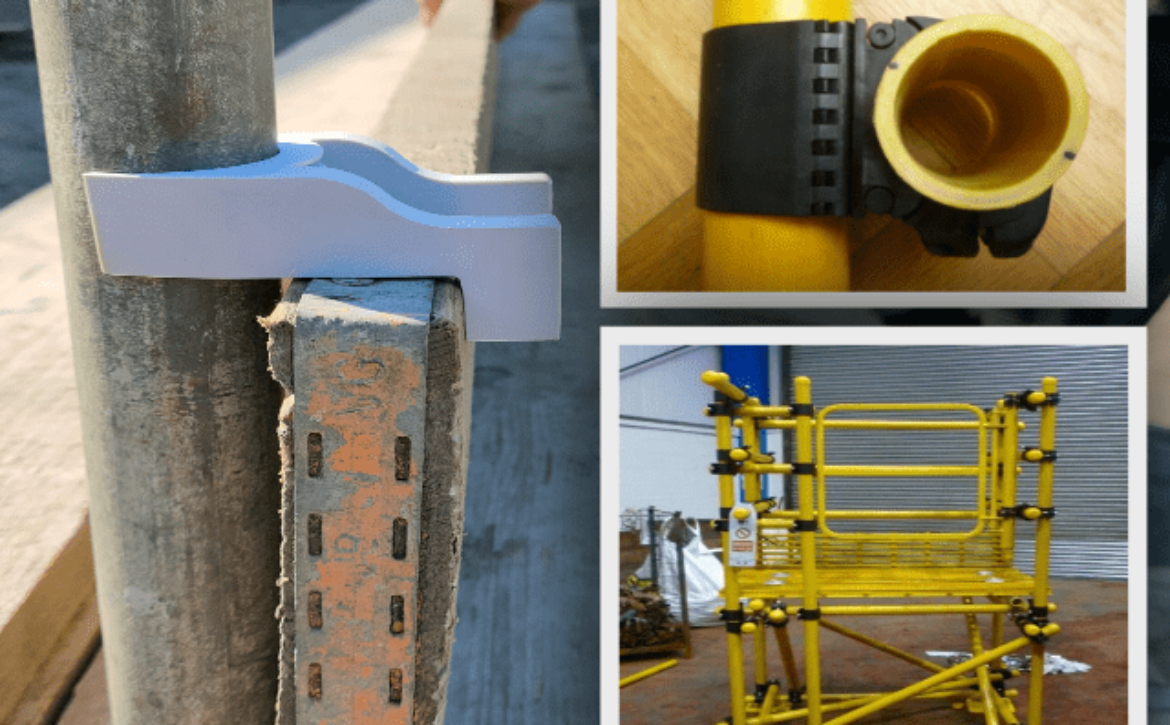
Toe Board Clip

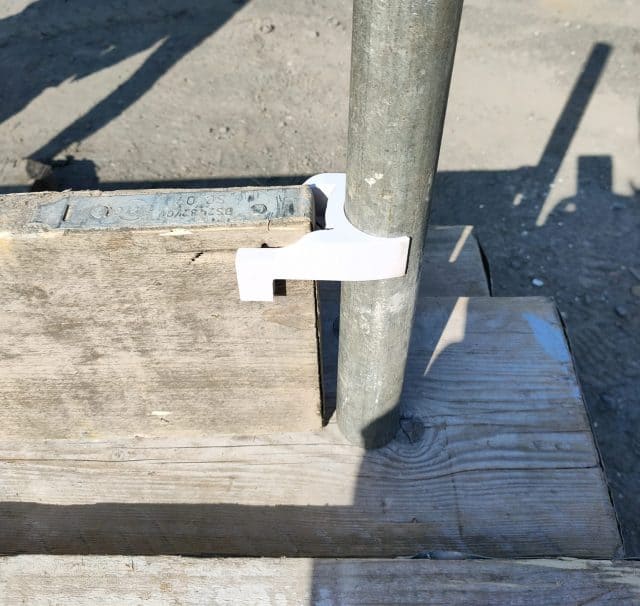
If you thought one superb creation would suffice however, how about a versatile toe board clip designed to allow toe-boards to be secured against adjacent standards without the need for tightening bolts? Once again industry experience has been put to good use. As a result, the new com-clip has emerged made from a material that will never corrode.

Now, toe boards can be attached to the adjacent standards with a reasonable manual force. Once attached to the tube they should remain in position requiring a small force to manually slide them into place over the board. when positioned over an edge toe-board the locking arms should protrude far enough to allow a second end toe-board to be secured between the arms. Correctly positioned they certainly won’t be a safety hazard in any way, and in carrying a low weight the construction task is made even easier.

There is currently no specified regulatory requirement for the strength of toe-board clamps. “For toe boards, the horizontal point load is 0.150kN.” This relates to the strength of the toe board itself to an outwardly directed force from operations on the platform. These outwardly directed forces on the boards would be resisted by the toe board bearing against the standards against which they are attached meaning com-clipÂŪ toe board Clips are more than adequate. NASC TG 20 has a similar requirement to BS EN 12811-1.

Looking even closer it’s also necessary for the clip to be able to resist an inwardly directed wind force of between 0.06 and 0.08kN (6 and 8kgf). Tests have demonstrated the com-clip toe board Clips have a pull-off capacity of 0.075kN (7.5kgf).

Read More

Stay safe on-site this winter

Winter is on the horizon and if recent years have taught us anything, we must prepare for the unexpected in terms of weather.

Undoubtedly, there are more hazards on-site during the winter season. We’re being subjected to more storms and larger quantities of rain, and there is an ever-present risk of freezing temperatures, snow and ice. Taking the right precautions is essential to successfully enable workers to carry out their work safely.

Much progress has been made in our journey towards improved site safety. But it’s also clear that, as an industry, there’s more to be done. According to the Health & Safety Executive, there were 81,000 workers who suffered from work-related injuries in 2020, and sadly, 40 fatal injuries. This represented a slight increase on the yearly average.

Worker safety and comfort has never been more important and every tradesperson needs to get home safely at the end of the working day.

That’s why we’ve put together the following handy suggestions to help prepare you and your worksite for the colder weather.

Wind and rain protection

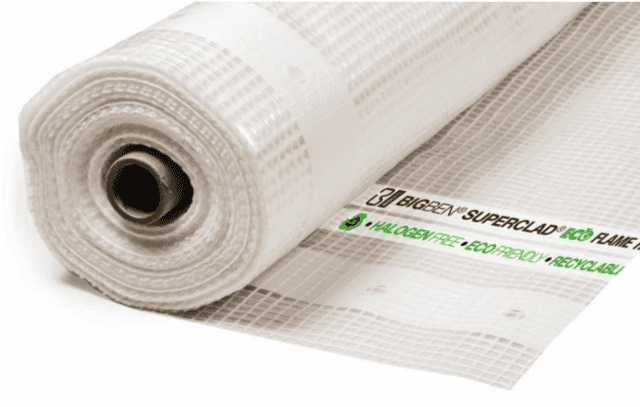
If you’re working on a scaffold in winter, it’s likely you’ll be exposed to some quite unsavoury conditions from time to time. Heavy-duty scaffold sheeting does a fantastic job of keeping out the wind and rain, helping you focus on the task at hand.

Our recommendation: BIGBENÂŪ SupercladÂŪ Eco Flame Retardant Premium Scaffold Sheeting 

Premium by name, premium by natureâ€Ķ this is top quality scaffold sheeting. It does a superb job of protecting workers in poor weather. It’s flame retardant too and approved to EN13501-1, meaning you can rest assured this scaffold sheeting will reduce the threat of fires spreading.

Furthermore, it’s recyclable. This is crucial as businesses like yours begin the shift to a more sustainable way of operating. Eco-friendly scaffold sheeting is the perfect way to protect people, projects and planet.

Stop the drop! Tether your tools

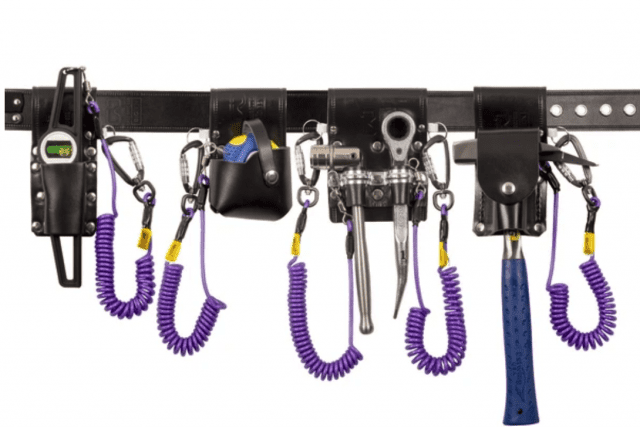
Cold, wet, and numb hands could increase the likelihood of dropping your tools, and the results can be catastrophic. Of course, accidents happen, but the right preparation can ensure even if you do drop a tool, no one else will pay the price. Tool tethering ensures you’re attached to the tools you’re using, protecting those around you from that free-falling spanner.

Our recommendation: BIGBENÂŪ Scaffolders Deluxe Tool Safety Belt comes with Tethered Scaffold Tool set

This safety belt is a deluxe piece of kit. Complete with a premium set of tools including the BIGBEN Induction Magnetic Level and IMN Safety Ring Box 7/16” Spanner with Poker Handle, each tool is accompanied with high-quality corresponding frogs and tethers. We call this safer scaffolding.

Ultimate hand safety

Speaking of cold handsâ€Ķ proper hand protection is vital.

We can all relate to the feeling of freezing hands. A good pair of gloves protects them during everyday tasks and keeps them warm. But you need to do be able to do the job well too. You need to keep your hands warm, and have ample dexterity. If you must take off your gloves to carry out the work, then you’ve probably got the wrong pair.

Our recommendation: Koolgrip II Thermal Work Gloves

They are long lasting gloves that ensure warmth, durability and safety all day. They are also EN388:2016 Certified, meaning they are proven to protect against mechanical risks such as abrasions, cuts and impacts. This is a really strong pair of gloves that perform superbly in both wet and dry conditions, with excellent insulating capacities to keep hands warm in cold environments.

Keep your scaffold boards in place

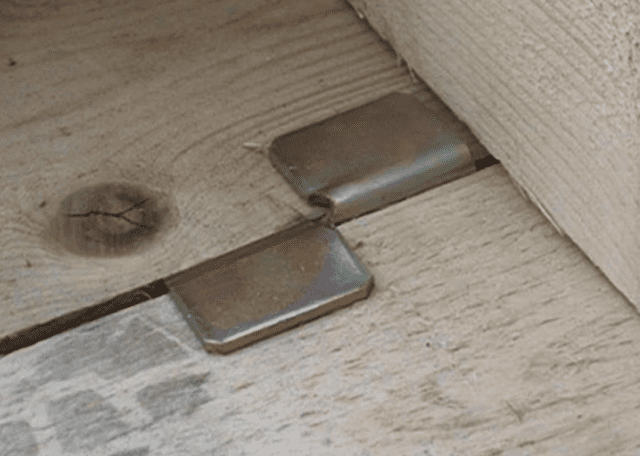
When stormy weather blows in, the last thing you need is unsecured scaffold boards that become displaced. This is extremely hazardous and could result in a board dislodging and striking fellow workers, or misplaced footing causing falls and trips. A good set of board clamps will ensure your scaffold boards remain in place during the bad weather.

Our recommendation: Board Retaining Clamps

Scaffold boards can be quickly and securely locked in the correct position with these Board Retaining Clamps. With considerable resistance to both lateral and upward movement, we highly recommended their use in wintery conditions.

Be seen, keep warm, stay dry

The wrong attire can result in productivity plummeting. When visibility is low and the cold sweeps in, not only is it important you’re highly visible to reduce the risk of being struck by moving vehicles, but you need to stay warm and dry too.

A good hi-vis jacket is perfect to help you achieve this. The more comfortable the worker, the easier it is to do the job.

Our recommendation: BIGBENÂŪ Hi-Vis Waterproof Winter Jacket

The BIGBEN Hi-Vis Waterproof Jacket is stylish, functional and ensures you’ll stand out from the crowd. This jacket is of premium quality and includes many outstanding features, such as the new Insulatex heat reflective lining panel which reflects heat back into the body ensuring maximum warmth and comfort. It’s a must have for your winter workwear wardrobe.

Don’t forget your feet!

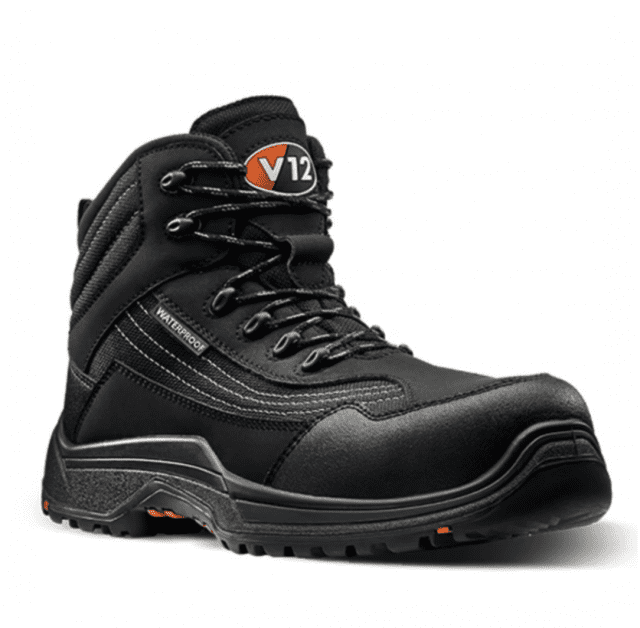
Winter footwear must offer great protection, but also be durable and comfortable. A decent pair of safety boots will improve productivity as you’ll feel better on your feet for longer. During the winter, you’ll want to stop the cold setting in too so you’ll need something fully waterproof and insulated.

Our recommendation: Caiman Waterproof Safety Boots

The Caiman is a stand-out choice here. This boot is waterproof and breathable. Its lightweight composite midsole and toecap make the Caiman incredibly light and comfortable, helping reduce wearer fatigue. It’s also fully waterproof with a bellows tongue and waterproof lining to ensure breathability.

Let’s make scaffolding safer this winter

Working on scaffold sites is incredibly dangerous in the winter months. It’s important workers are prepared for the weather, and that businesses put safety at the core of their operations by implementing strict safety precautions.